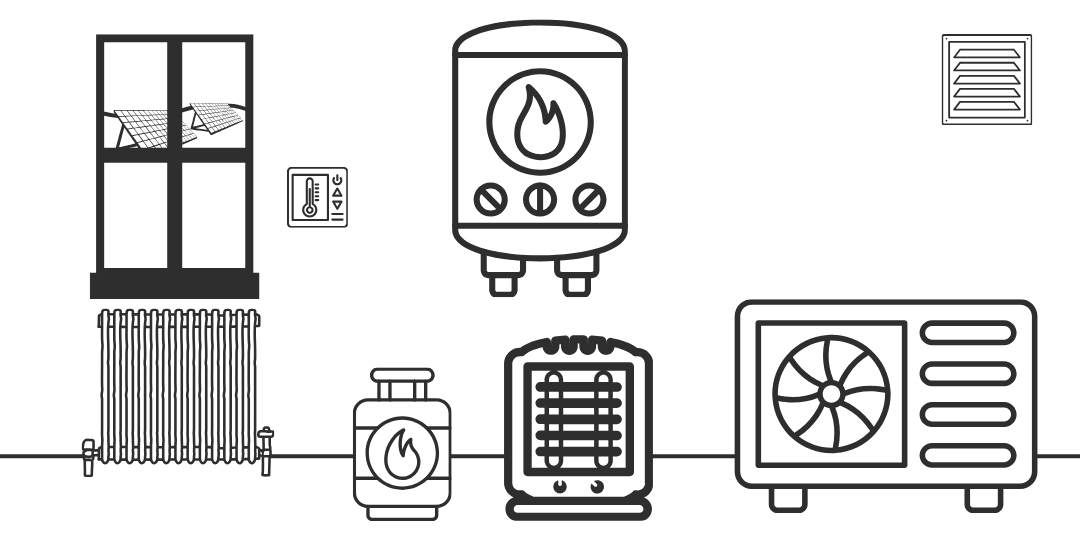
Following our blog about central heating throughout history, in the present there are a wide range of options for heating systems for all kinds of properties — here is a look at some of the different types of both central and non-central heating.
Non-central heating
In the 2021 Census, only 1.48% of homes in England and Wales did not use any form of central heating.
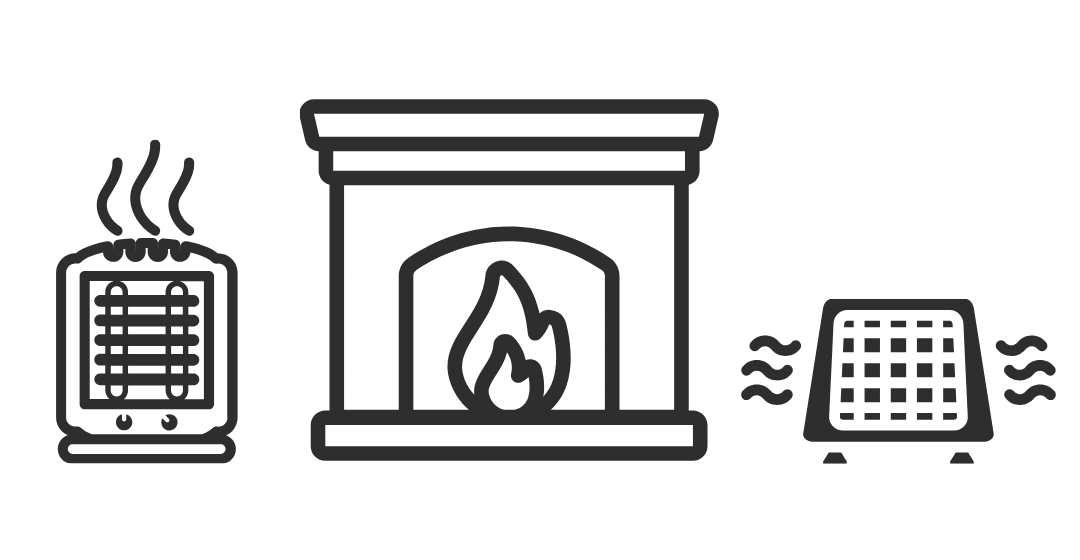
Non-central forms of heating only warm the area around the heater, offering a flexibility that central heating does not. Traditionally this meant fireplaces and stoves, which are of course still in use today, usually in older properties (and can be a much more visually appealing form of heating!).
More modern alternatives include electric storage heaters, which are heated by electricity and are designed to absorb and store energy on internal bricks, often made from clay, which then release the heat. The benefit of this is that they can be switched on during off-peak energy hours to store the heat, then switched off to discharge it during the higher tariff daytime.
Electric heaters, such as infrared or convection heaters, are popular because they can be set up easily, thereby providing heat to a specific room extremely quickly. Portable heaters of differing types are also popular, from glass panel heaters and fan heaters to oil-filled radiators and space heaters, and many of them can also double as a cooling unit during the warmer months.
However, electric and portable heaters can use a large amount of electricity or gas to power, and as such are not considered particularly cost-efficient. Care must also be taken when setting them up to ensure they are safely kept away from anything potentially flammable.