The World's Hottest and Coldest Settlements

In a previous article, we discussed the extreme temperatures that humans have learned to live in, and some of the methods ancient humans used to keep themselves comfortable. In this article, we will investigate some of the hottest and coldest settlements, and how people stay at a comfortable temperature in these inhospitable places.

To reiterate, 'the estimated ideal temperature for a resting human sits at around 21°C, with a rough comfort range of 10°C to 30°C'. With this in mind, it might shock you to learn that the coldest human settlement recorded an average annual temperature of —14.9°C and the hottest human settlement had an average annual temperature of 34.6°C ... both of which are outside of the human comfort range!

Furnace Creek — Death Valley, USA

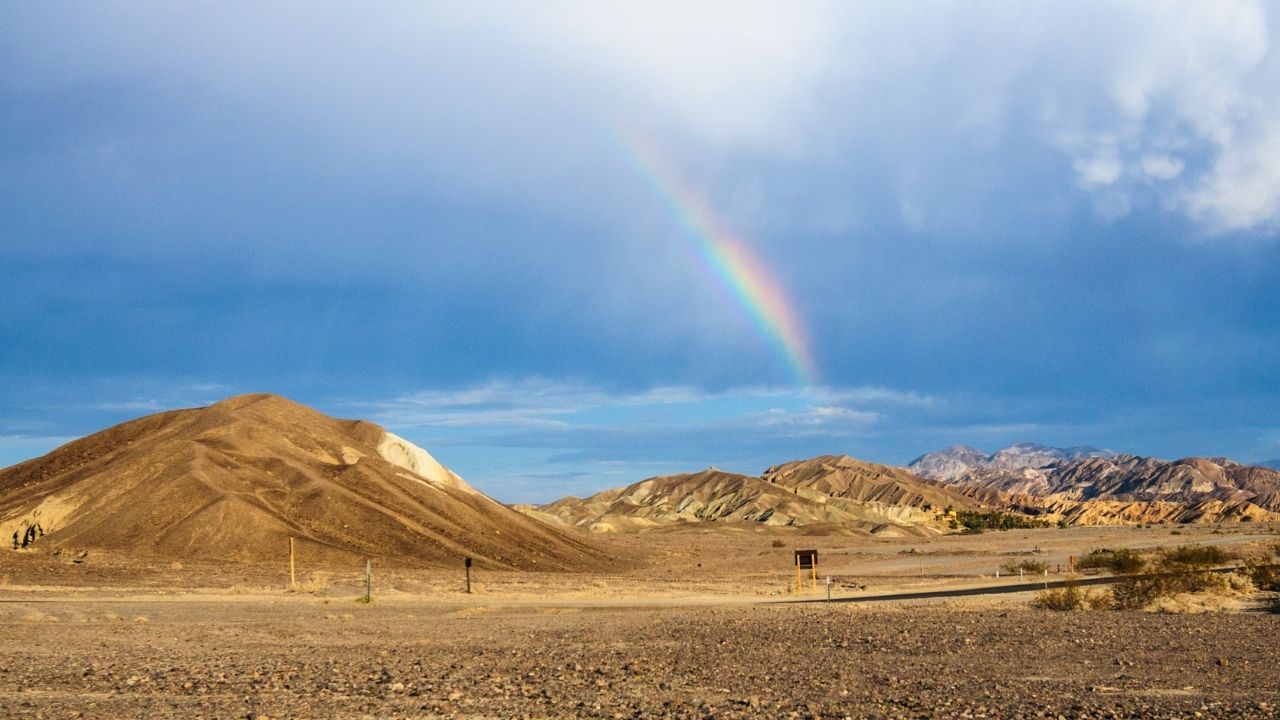
One of the world's hottest regions is Furnace Creek in Death Valley, California (pictured below). Because of the unique geographical features of the region, the two highest reliable temperatures recorded on Earth have been recorded at the weather station in Furnace Creek. While not officially verified by the World Meteorological Organization, the temperature on the 30th of June 2013 and on the 9th of July 2021 was 54.0°C.

Originally founded in 1883 and known as 'Greenland Ranch', nearby natural springs created a natural oasis. This allowed the Pacific Coast Borax Company to build up the settlement to support their borax mining operations in the area. Eventually, it was renamed to 'Furnace Creek Ranch' in 1933, as part of a tourism drive that began in the 1920s as the demand for borax dropped.

Dallol — Afar Region, Ethiopia

While not recording the highest recorded air temperatures, Dallol instead holds the record for the highest average temperature for an inhabited location. During the 1960s, consistent readings taken between 1960 and 1966 showed the average temperature as 34°C.

Located in the Afar Region in North-East Ethiopia, it was originally established as a mining town for potash, sylvite, and salt, but this eventually ceased as the harsh environment, lack of infrastructure, and remoteness forced the mines to close and the settlement to become abandoned.

Hot Weather Adaptations

Several methods for cooling and changes to lifestyles are necessary for the residents of Furnace Creek, many of which were impossible in Dallol due to the remote location and non-existent infrastructure.

Most activities that require being outdoors are often done before sunrise or in the late evening, which can seem like a switch to a nocturnal living pattern. Going outside during the middle of the day is very difficult due to the heat, so anything that can be done at cooler times, generally is.

Inside, residents often use a 'swamp cooler'. This is an evaporative air cooler that relies on water evaporating into low-humidity air. Because of this, they are an ideal and cost-effective solution to the desert heat of Death Valley. These are usually special air conditioning units, but sometimes these 'swamp coolers' are as simple as a fan blowing a damp cloth. This type of evaporative cooling technology was used over 3000 years ago in ancient Egypt!

Due to being so remote, shopping trips are usually done monthly to stock up with lots of supplies. Bottled water is also a necessity as the water from taps can often be over 30°C. Maintenance and repair of crucial equipment such as home air conditioning units and vehicular upkeep, which would cause an inconvenience if they failed in most other places, could cause a serious risk to life in Furnace Creek.

Vostok Station, Antarctica

Founded in 1957 by the Soviet Union as a research base, Vostok Station recorded the world's lowest naturally occurring temperature on Earth at -89.2°C on the 21st of July 1983. During the summer months, the station is home for around 30 engineers and scientists, while in winter, this is halved to around 15. There is only one other permanently staffed station further south, which is the Amundsen-Scott South Pole Station. From 1957 to 2019, the station conducted operations for 72 years with only two temporary closures. Recently, a newer and modern station began construction in 2019, with the final constructed module being transported by ship from Saint Petersburg to Vostok Station.

Oymyakon — Republic of Sakha, Russia

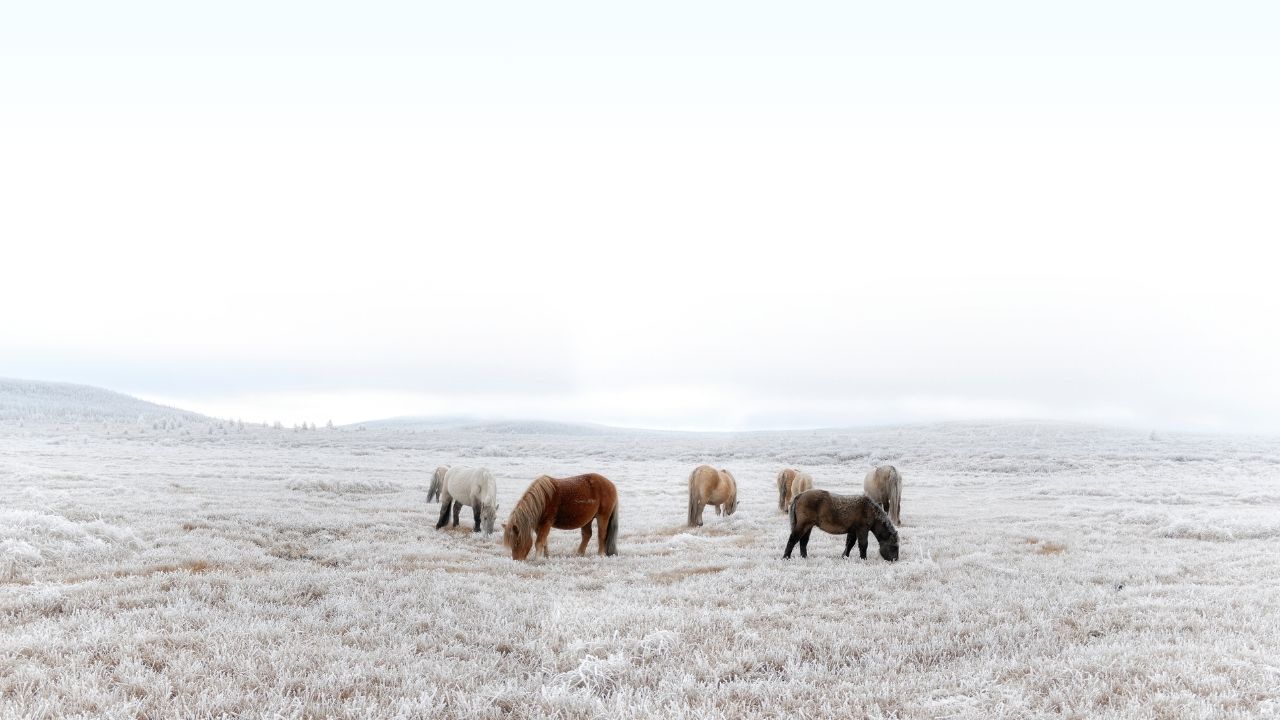
Oymyakon is regularly cited as the coldest permanently inhabited human settlement (pictured below). With a population estimate of 560, it was initially a spot that the indigenous Yakut and Evenki reindeer herders would rest at and could water their reindeer, as the Oymyakon River wasn't frozen there. Over time, the settlement grew, with a fur trading, pastoral agriculture, and mining industries sustaining the local population. Due to the extremely cold temperature, this type of farming requires climate specific changes and techniques, while arable farming is impossible due to the permafrost (permanently frozen soil).

The average temperature from November to March in Oymyakon is -38°C or lower, with only June to August having average temperatures above 10°C (12.7°C, 15.3°C, and 10.8°C). Despite these low temperatures, due to the unique location and climate, Oymyakon can still have exceptionally warm summers!

Cold Weather Adaptations

While the Vostok Station experiences the coldest temperatures, it was designed and built to withstand Antarctic climates. Structural changes to homes in Oymyakon include being raised on stilts and concrete bases to avoid the buildings sinking when the summer heat causes some of the permafrost to temporarily melt. Homes are also heavily insulated to keep the warmth in, while cars are often stored in heated garages or under heated blankets. Some car owners even leave their car engines running all winter to prevent them from freezing and use anti-freeze lubricants to further help.

When leaving home, the residents of Oymyakon wear multiple layers of insulating clothing, such as hats, boots, and thick fur coats. Sometimes, when the temperatures drop below -50°C, any exposed skin can suffer from frostbite. In severe cases, this can occur almost instantly.

Luckily these are extreme temperatures and, in the United Kingdom, are incredibly unlikely to occur. However, if you are struggling to stay warm or keep your energy bills down, HeatingSave can help. The summer months are the perfect time to look into changes you can make that can increase how much warmth remains inside, and how to get the most out of the energy you pay for, reducing wastage. Get in touch to discuss your heating requirements.